You don’t need tour clubs to start playing golf. You need clubs that are easy to hit, fit your swing, and don’t eat your whole budget. The good news: the clubs that are easiest to hit are also some of the cheapest on the used market, because better players don’t want them.
This guide walks through every club in a beginner’s bag, what each one is for, what to look for, roughly what it costs used, and the mistakes that waste the most money.
How many clubs do you actually need?
The rules allow up to 14 clubs. You don’t have to carry 14, and plenty of beginners start with 8 to 10. But a full, well-spaced bag makes the game easier, because you always have a club for the distance in front of you instead of trying to force a shot.
A smart beginner bag usually looks like this:
| Club | How many | Why it’s there |
|---|---|---|
| Driver | 1 | Longest club, for tee shots on long holes |
| Fairway woods | 1 to 2 | Long shots off the ground, and an easier tee club |
| Hybrids | 1 to 2 | Replace the hard-to-hit long irons |
| Irons (6 to PW) | 5 | Approach shots into the green |
| Wedges | 2 to 3 | Short shots, chips and bunkers |
| Putter | 1 | On the green |
That adds up to 11 to 14 clubs. If you’re on a tight budget, the first clubs to leave out are a second fairway wood and the lob wedge.
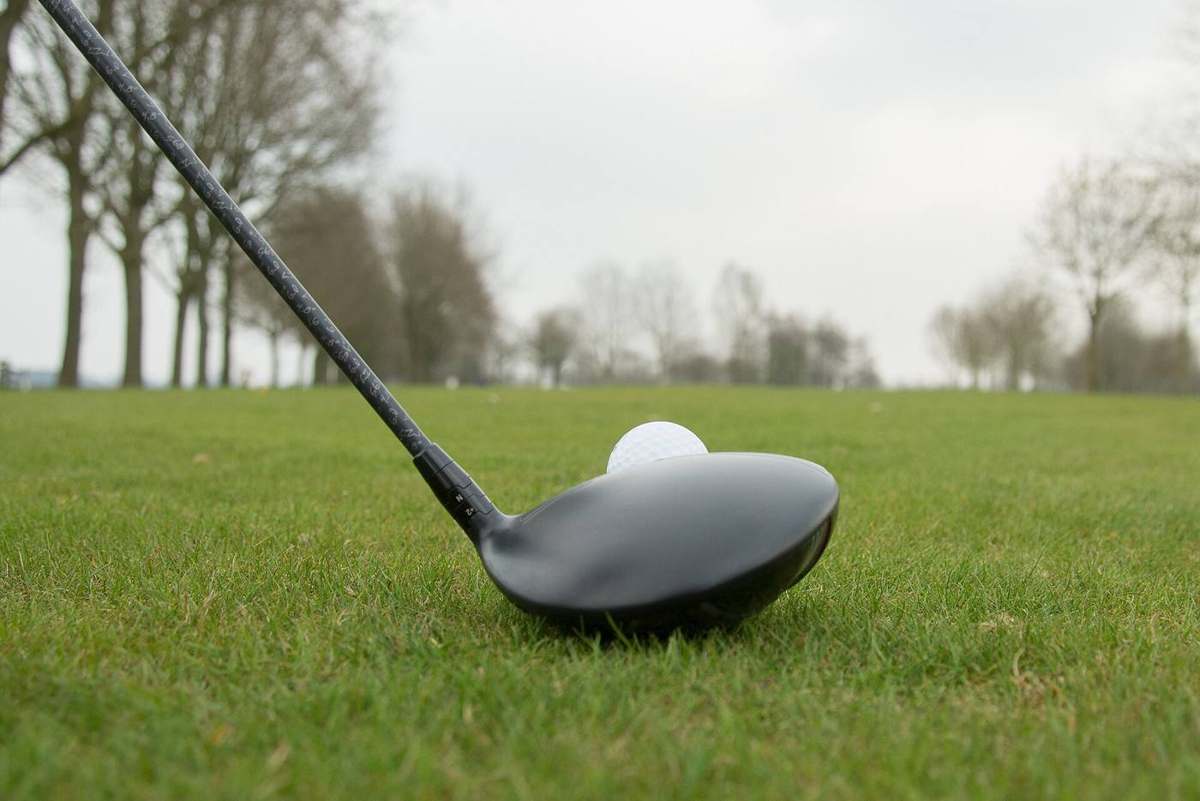
The driver: get more loft than you think
The driver is the club everyone wants to spend money on, and it’s where beginners make the most expensive mistake: buying a low-loft driver because that’s what the pros use.
- Choose 10.5° to 12° of loft. More loft gets the ball in the air with a slower swing and reduces sidespin, so your slices curve less.
- Look for “Max” or “SGI” models. These have the largest, most forgiving heads. Words like “LS” (low spin) or “TD” mean it’s built for faster, more consistent swings.
- A draw-biased head helps a slice. If your ball curves right (for a right-hander), a “D” or draw model can take a lot of that curve out.
A driver from three or four seasons ago is within a few yards of this year’s model for almost every golfer. Used, a very good forgiving driver typically costs $150 to $300, against $550 to $600 new.
Fairway woods and hybrids: the beginner’s best friends
Long irons (the 3, 4 and 5-iron) are the hardest clubs in golf to hit well. They have small faces and little loft, and they need a fast, precise swing to get airborne. That’s why almost every coach tells newer golfers to replace them with hybrids and fairway woods.
- A 5-wood (about 18°) is one of the easiest long clubs to hit off the fairway, and it doubles as a safe tee club when the driver is misbehaving.
- A 4-hybrid (about 21° to 22°) replaces the 4-iron. It’s far more forgiving and gets the ball up easily, even from the rough.
- A 5-hybrid (about 25°) replaces the 5-iron, if you want one more easy club.
A 3-wood is optional. It’s harder to hit off the ground than a 5-wood, so if you only carry one fairway wood, make it the 5-wood or a high-lofted 3-wood (16.5°). Used, fairway woods and hybrids usually cost $80 to $180 each.
Irons: wide soles and big cavities
For your irons, look for sets labeled game improvement or super game improvement. You can spot them by:
- A wide sole, which glides through the turf instead of digging when you hit slightly behind the ball.
- A cavity back, the hollowed-out back that moves weight to the edges so off-center hits still fly straight.
- A thicker top line, which looks more confidence-inspiring when you stand over the ball.
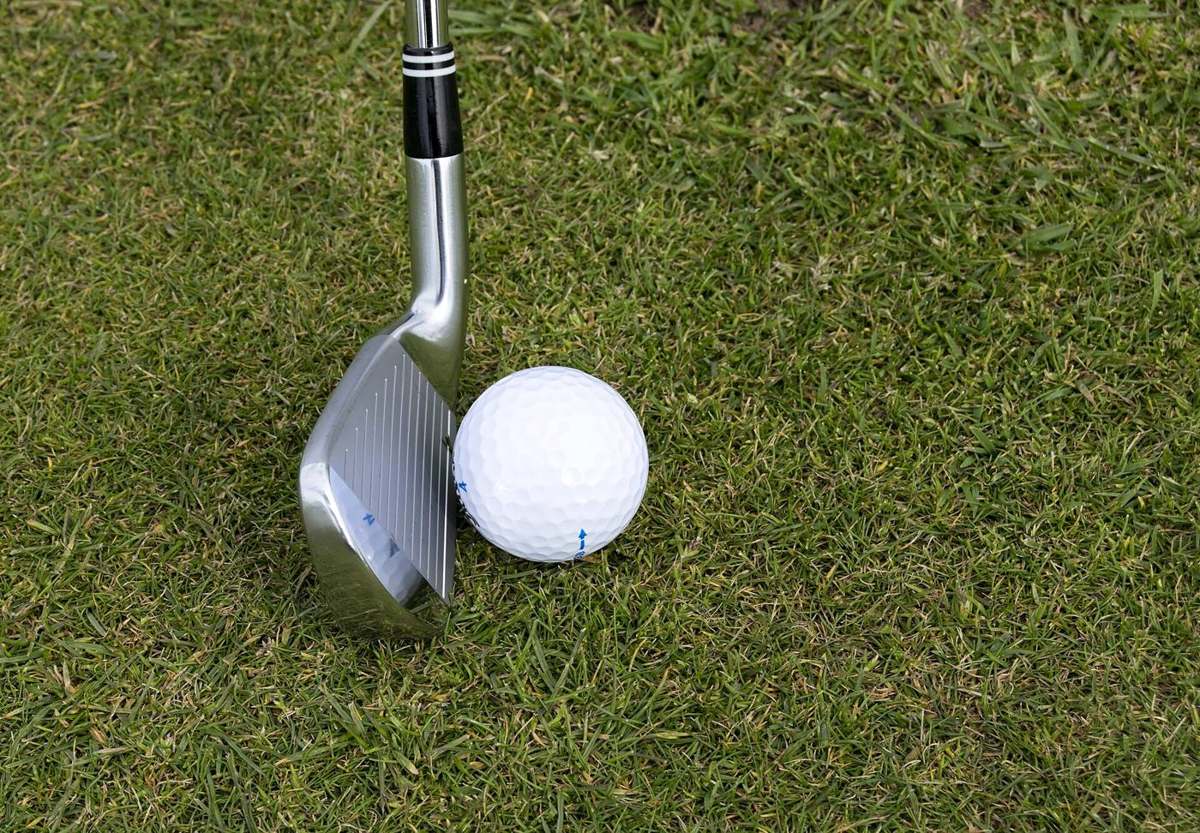
Most used sets come as 5-iron through pitching wedge (6 clubs). If you’re carrying hybrids, you can leave the 5-iron at home or sell it on. A forgiving used set usually costs $300 to $500, where the same set was $800 to $1,100 new.
Avoid blades (thin, solid-backed irons) and anything marketed as a “players” iron for now. They feel great when you hit the center, and they punish everything else.
Wedges: cover the short distances
Your pitching wedge comes with the iron set. Add:
- A gap wedge (about 50° to 52°) to fill the gap between your pitching wedge and sand wedge.
- A sand wedge (about 54° to 56°), the most important wedge, for bunkers and short chips.
- A lob wedge (58° to 60°), optional for beginners. It’s useful but easy to misuse.
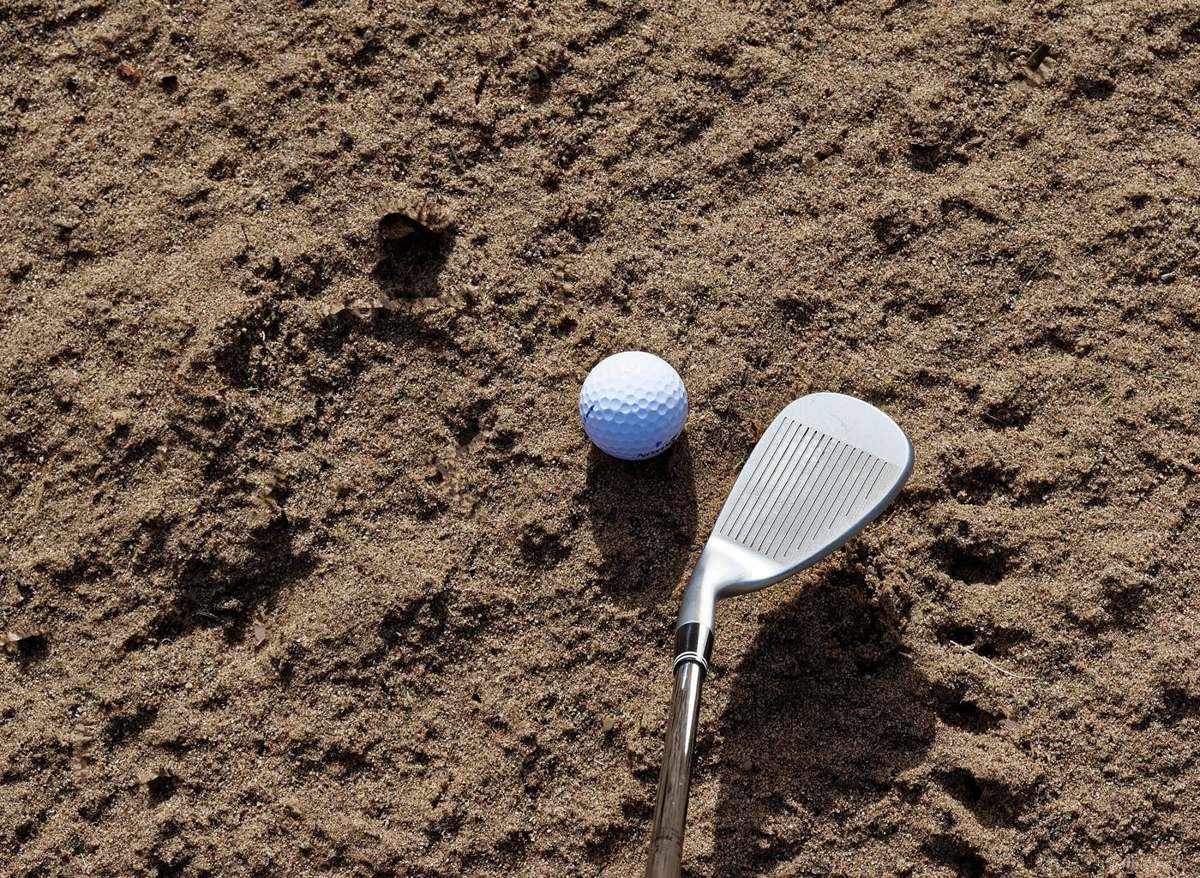
Choose wedges with higher bounce (the angled sole underneath). High bounce helps the club skim through sand and soft grass instead of digging in. Cavity-back wedges are even more forgiving. A used set of two or three wedges usually costs $100 to $250.
The putter: go mallet
You’ll use your putter more than any other club, around 30 to 40 times a round. For most beginners, a mallet putter (the larger, rounded head) is the easiest to use. It’s more stable when you miss the center, and the long head with sight lines makes it easier to aim.
Length matters more than brand. Most golfers need a putter between 33 and 35 inches. Stand with your eyes over the ball and your arms hanging naturally, and the putter should fit that posture. Putters barely wear out, so a used one is often the best value in the whole bag: $60 to $150 gets you a great one.
Where beginners waste money
- Players clubs. Blades, low-spin drivers and tour wedges look great but punish mishits. Leave them for when your contact is consistent.
- The wrong shaft flex. A shaft that’s too stiff costs distance and sends shots right. If you swing smoothly, regular or senior flex is usually right. See our shaft flex guide.
- Two clubs that do the same job. If your 3-wood and 5-wood, or your hybrid and 5-iron, go the same distance, you’ve paid for a club you don’t need.
- Brand-new everything. A 2-to-4-year-old club plays almost exactly like this year’s model at about half the price. See are used golf clubs worth it?
- Mint condition. You’ll pay a premium for no performance gain. Above Average and Average are the value sweet spot. See our condition grades guide.
What a full used bag costs
Here’s a realistic budget for a forgiving, complete used bag:
| Club | Typical used price |
|---|---|
| Driver | $150 to $250 |
| 5-wood | $80 to $150 |
| 1 to 2 hybrids | $80 to $200 |
| Irons (5 to PW) | $300 to $450 |
| 2 to 3 wedges | $100 to $200 |
| Putter | $60 to $150 |
| Total | about $770 to $1,400 |
The same clubs bought new would run $2,000 to $3,000. And if your budget is lower, it’s easy to come in around $600 to $800 by choosing older models and skipping a fairway wood and the lob wedge.
Don’t forget the extras: a bag (about $80 to $150 used), a glove ($10 to $20) and balls. Recycled balls are perfect while you’re learning.
The easy way to do all of this
Picking 14 clubs that fit your swing, don’t overlap and come in under budget takes a lot of tabs and spreadsheets. Used Golf Club Finder does it in less than 5 minutes: answer a few quick questions, and it picks a full bag of in-stock used clubs, matches one shaft flex across the set, checks every gap, and keeps the total under your budget.